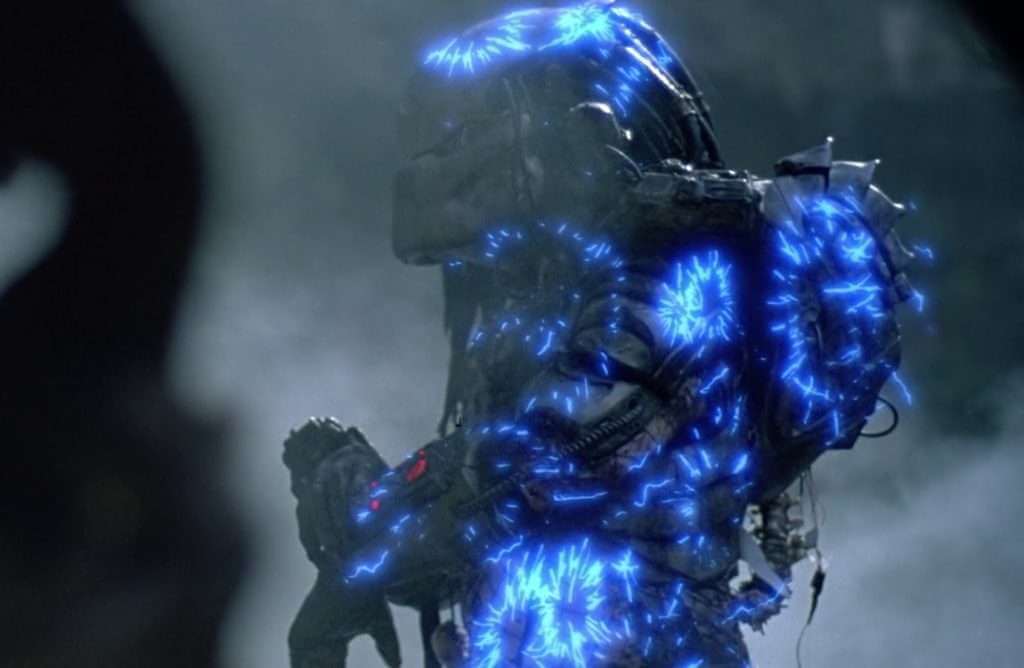
Predator Camouflage Effect: How It Was Made
Introduction
When Predator (1987) hit theaters, audiences were mesmerized by the alien hunter’s eerie ability to blend into the jungle using a shimmering cloak of invisibility. The Predator camouflage effect instantly became an iconic sci-fi visual, setting the gold standard for invisibility illusions in film.
Long before CGI could effortlessly handle such visuals, the creators relied on innovative practical effects and analog compositing magic. This post dives deep into how the Predator’s cloaking effect was achieved, what techniques were used, how fans can try a DIY Predator invisibility FX, and why it remains a timeless piece of movie magic.
The Vision Behind the Invisibility Illusion
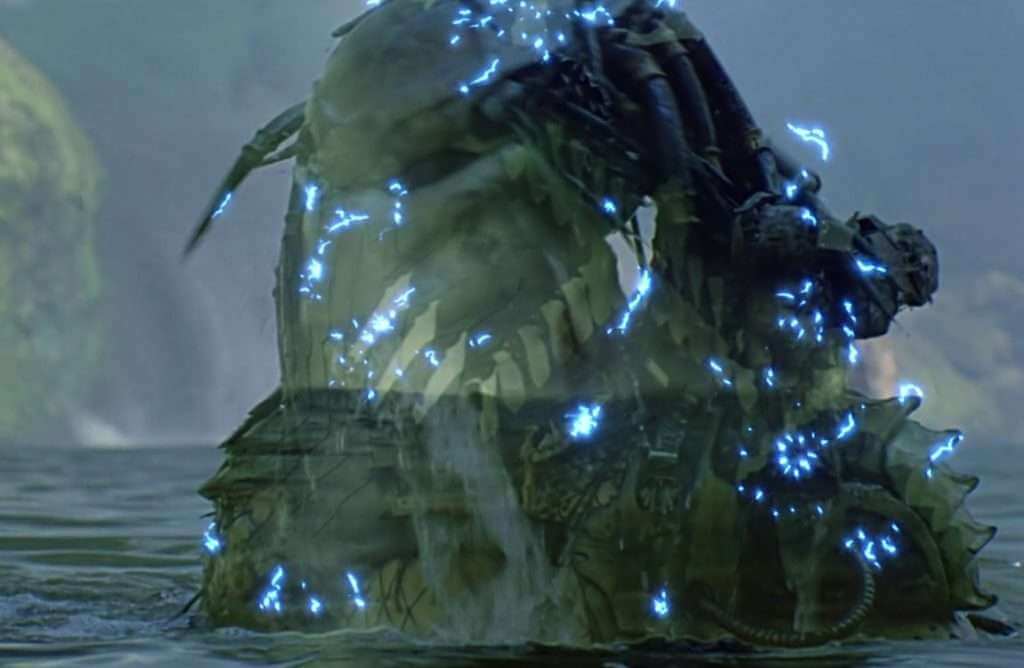
Director John McTiernan and visual effects supervisor Joel Hynek wanted the Predator’s camouflage to do more than just make it vanish. It had to shimmer, ripple, and bend light, creating a distorted visual that hinted at something lurking just out of sight. The result was a unique blend of practical filming tricks and optical effects that made audiences believe what they saw.
Techniques Used to Create the Camouflage Effect
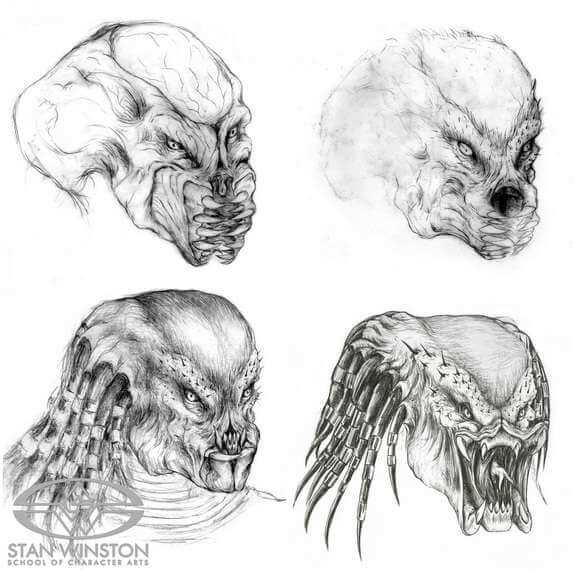
The technique used to create the Predator’s cloaking relied on blue screen compositing and an innovative suit concept. Here’s how it worked:
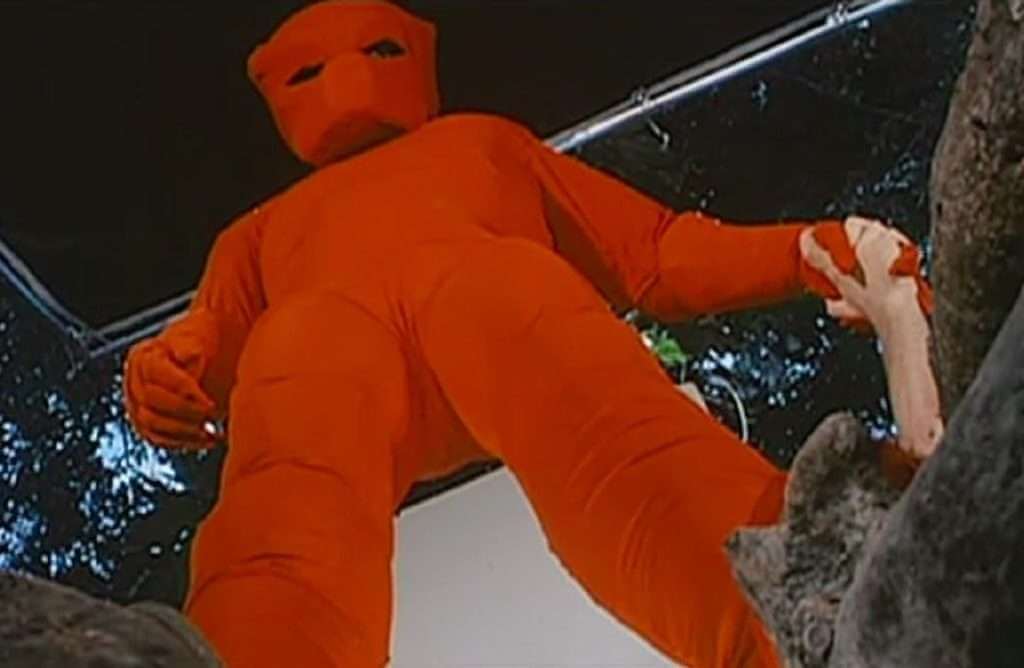
1. The Red Suit Trick
To create a clean matte of the Predator in the dense jungle:
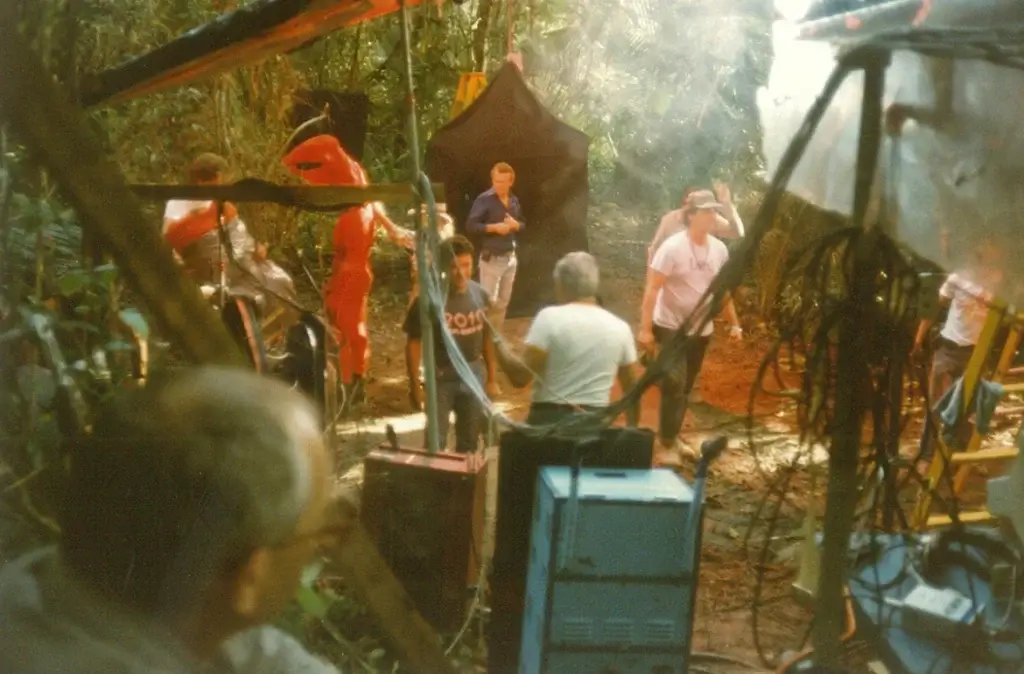
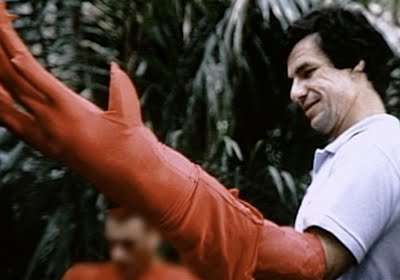
A stunt performer wore a bright red suit, the color furthest from jungle tones like green and brown.
Red was easier to isolate during chroma keying (a common optical technique at the time).
The background was filmed separately without the actor, creating a “clean plate.”
2. Matting and Optical Compositing
In post-production:
The red areas were keyed out using traditional optical printers.
The clean jungle background was inserted to replace the Predator’s body.
The result: the Predator appeared to vanish while moving.
This wasn’t true invisibility—it was strategic layering.
The Ripple Effect
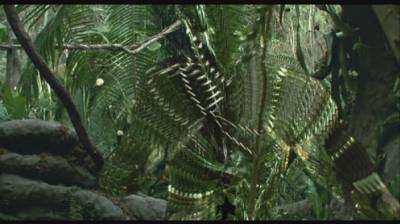
To simulate the Predator distorting space around it:
The inserted background layer was warped using an optical printer.
This gave the illusion that the creature was bending light rather than simply being invisible.
Combined with subtle jungle movements and lighting cues, it felt organic and otherworldly.
4. Layering and Lighting Passes
To make it convincing:
Multiple layers were used—some for light interaction, others for shadows.
These were hand-aligned frame by frame using optical printing, a time-consuming analog process.
Challenges in Filming the Effect
While the technique was ingenious, it wasn’t without difficulties.
Lighting in the Jungle
- Filming required multiple passes of the same scene.
The jungle’s natural light was unpredictable, making consistency difficult between takes.
Limitations of 1980s Optical Tech
- No digital assistance.
All effects had to be composited physically.
Mistakes meant reshoots or reprints, adding time and cost.
Performance Restrictions
The red suit limited actor movement.
Scenes with complex foliage had to be choreographed carefully, or the background wouldn’t match.
Despite all this, the team succeeded in creating a groundbreaking illusion that fans still admire today.
DIY Predator Invisibility FX: Try It at Home
Want to recreate your own Predator invisibility FX on a budget?
Materials Needed:
A red morph suit
Green screen or jungle-like background
Smartphone camera or DSLR
Video editing software (like HitFilm Express or DaVinci Resolve)
Heatwave/ripple effect plugin (or displacement map tool)
Steps:
Film yourself in the red suit moving slowly in front of your background.
Film the same background without you in it.
In post, key out the red suit, insert the clean background.
Add a displacement map effect to simulate the ripple.
Layer slight motion blur and refraction.
💡 Pro Tip: Try adding jungle sound effects or a light shimmer to increase realism.
For more DIY FX tools and guides, check out our DIY FX Tools Guide.
The Legacy of the Predator’s Camouflage
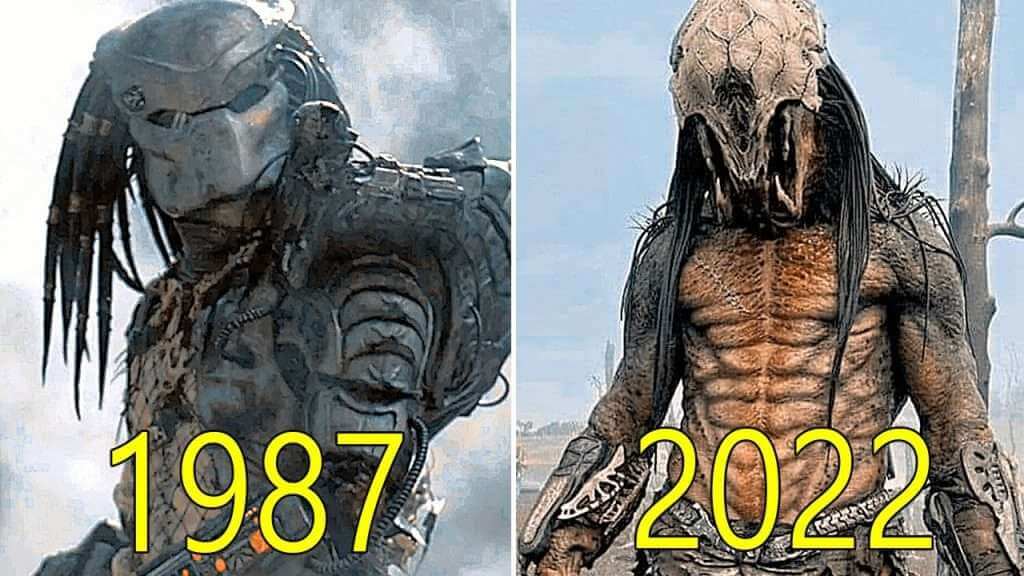
The 1987 Predator camouflage effect continues to inspire filmmakers and FX artists. Even in modern reboots like The Predator (2018), filmmakers returned to a blend of CGI and practical FX to capture the spirit of the original.
But most fans and FX professionals agree—the original effect feels more tactile and eerie, precisely because it was made with physical techniques rather than rendered in post.
Examples in Other Films & Media
The ripple-invisibility effect has influenced many other films, including:
Harry Potter and the Sorcerer’s Stone (Invisibility Cloak FX)
Ghost in the Shell (Thermoptic Camouflage)
Halo and Crysis video games (Active camo effects)
Avengers: Infinity War (Iron Man’s nano-camo)
The legacy of Predator’s invisibility is woven into the fabric of sci-fi FX history.
Conclusion
The Predator camouflage effect remains a masterclass in creative problem-solving and practical effects. With limited technology but unlimited imagination, the FX team delivered a visual that not only wowed 1980s audiences but continues to inspire FX artists today.
Whether you’re a sci-fi fan, a filmmaker, or a DIY FX enthusiast, there’s something powerful about understanding how these effects were made—and even more rewarding about trying to recreate them yourself.
🎬 Want more behind-the-scenes FX breakdowns and tutorials?
Follow Behind the FX on Instagram and X (Twitter) for weekly updates.
References & Further Reading
Note: Any links below are Amazon Affiliate Links. Purchasing from these links helps support BehindTheFX.com.
Documentaries & Featurettes
- If It Bleeds, We Can Kill It: The Making of Predator (2001) – (Available on Predator Special Edition Blu-ray & DVD).
- The Making of Predator – StudioCanal Documentary (2018)
- Behind the Magic: Industrial Light & Magic’s Contributions to Predator
- The Predator Legacy: Evolution of the Special Effects (2018)
- Stan Winston Studios: Behind the Scenes of Predator
Interviews & Articles
- Joel Hynek on Predator’s Cloaking Effect (Fangoria, Issue #67, 1987)
- Cinefex Issue #32 (1987) – Predator Special Effects Breakdown
- Starlog Magazine (1988) – The Challenges of Predator’s Optical FX
- Empire Magazine’s Oral History of Predator (2017)
- The Hollywood Reporter – The FX of Predator (2018)
Books
- The Winston Effect: The Art and History of Stan Winston Studio – Jody Duncan
- Industrial Light & Magic: The Art of Special Effects – Thomas G. Smith
- Special Effects: The History and Technique – Richard Rickitt
- Predator: The Official Collector’s Edition – Titan Books
- Behind the Monsters: The Evolution of Cinematic Creatures – John Brosnan
Love Behind-the-Scenes FX Breakdowns?
Subscribe for more legendary effects breakdowns from film history.
Related posts:
 Dune Part 2’s Practical Effects Masterclass — Real Sets, Sandworms, and Cinematic Magic
 Jurassic Park’s Water Ripple Effect: How a Guitar String Made Movie Magic
 Behind the Creatures: Phil Tippett’s Stop-Motion Genius in “Star Wars” and Beyond
 How Arrakis was Rebuilt with Dune (2021) Practical Effects: Inside the Sci-Fi Craft Revolution