Introduction
In an era dominated by CGI-heavy blockbusters, it’s easy to assume that practical effects are a relic of the past. With advances in digital technology, studios can now create entire worlds, creatures, and even actors inside a computer. Yet, despite these advancements, practical effects—animatronics, prosthetics, miniatures, and in-camera tricks—are still very much alive and, in many cases, more effective than CGI.
From the eerie, lifelike creatures of The Thing to the handcrafted magic of Star Wars, practical effects have a tangible, visceral quality that CGI often struggles to replicate. Even modern filmmakers, including Christopher Nolan, Guillermo del Toro, and the creators of The Mandalorian, continue to champion practical effects in their work. But why? What makes practical effects so enduring in an industry obsessed with digital spectacle?
Let’s explore the reasons why practical effects still matter—and why they’re often superior to CGI.
📍 Related: Gremlins Practical Effects: Puppet Magic Revealed
1. Why Practical Effects in Filmmaking Feel More Authentic
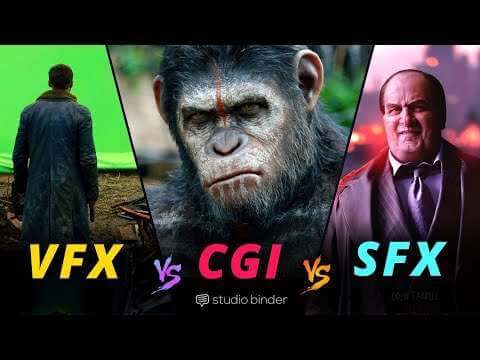
One of the biggest limitations of CGI is its tendency to feel weightless. No matter how advanced the technology becomes, digital creations often lack the real-world physics, texture, and imperfections that practical effects naturally possess.
Think about how your brain reacts when watching a film. When a real object is in front of the camera—a puppet, an animatronic creature, or a prosthetic makeup effect—it interacts with actual light and shadows. The way light bounces off a latex mask or a miniature spaceship automatically makes it feel real, even if we know it’s a trick.
This is why so many older films with practical effects, such as Jurassic Park, Gremlins, and Aliens, still hold up today—whereas some early CGI-heavy films from the 2000s already look outdated.
Filmmakers who rely heavily on practical effects, like Guillermo del Toro (Pan’s Labyrinth, The Shape of Water), understand that physicality enhances believability. His creatures don’t just look great—they feel alive because they exist in real space.
I once said that CGI makes you less inventive. At the time I was bemoaning the loss of the practical stunt. If a stunt can be done practically and safely, I’d rather do it old-style.
Steven Spielberg Tweet
2. How Practical Effects in Filmmaking Enhance Performances
Imagine you’re an actor filming a horror scene. Would you rather react to a terrifying animatronic creature inches from your face or a green tennis ball on a stick that will later be turned into a CGI monster?
One of the biggest drawbacks of CGI is that actors often have nothing to interact with, making their performances feel disconnected. Practical effects allow actors to engage with real elements, which improves their performances and makes scenes more immersive for the audience.
Take Jurassic Park as an example. While the film is famous for its early use of CGI, many of its most iconic moments—like the T. rex attack—were achieved with practical effects. The full-scale animatronic T. rex not only looked realistic but also helped the actors deliver genuine fear and awe, because they were reacting to an actual creature, not a digital placeholder.
Compare that to films like Star Wars: Attack of the Clones, where much of the set, characters, and creatures were CGI. Many actors later admitted that performing against green screens for months made it harder to feel connected to their scenes, and audiences could sense that disconnect.
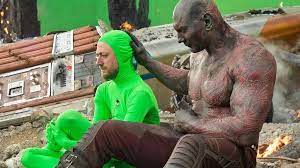
I frankly think that special effects are becoming too special. There are too many special effects in all these movies today. It means that the movie starts on a special effect, ends on a bigger special effect, and the middle is the same special effect.
Steven Spielberg Tweet
3. Practical Effects Age Better Than CGI
It’s no secret that CGI improves with time. What looked cutting-edge in 1999 (The Mummy) might look laughably outdated today. In contrast, practical effects, when done well, tend to age gracefully because they are physically present in the scene.
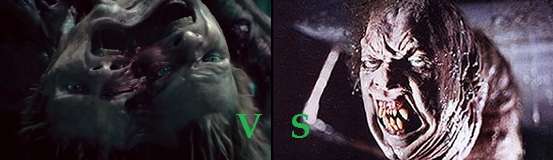
Consider The Thing (1982). Rob Bottin’s grotesque practical creature effects remain some of the most disturbing and realistic transformations ever put on screen. Now compare that to The Thing (2011), which initially used practical effects but replaced them with CGI in post-production. The result? The CGI monsters looked less convincing than the real, practical creations that were built for the film but never used.
Even in modern blockbusters, films that balance CGI with practical elements tend to age better. Mad Max: Fury Road (2015) used real stuntwork, real vehicles, and practical explosions whenever possible, only using CGI to enhance—not replace—physical effects. This is why it still looks incredible nearly a decade later.
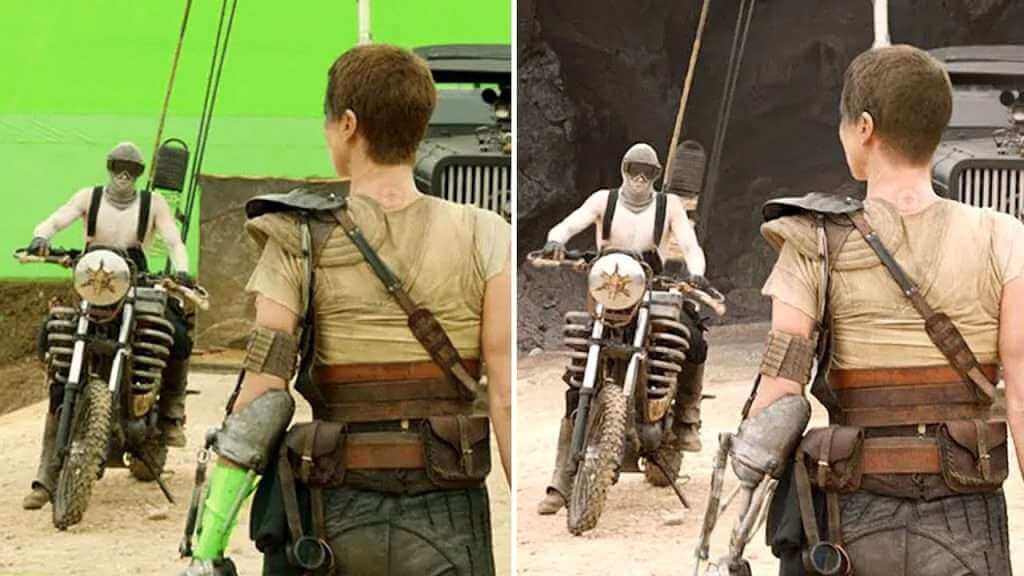
4. Practical Effects Create a Unique Look That CGI Can’t Replicate
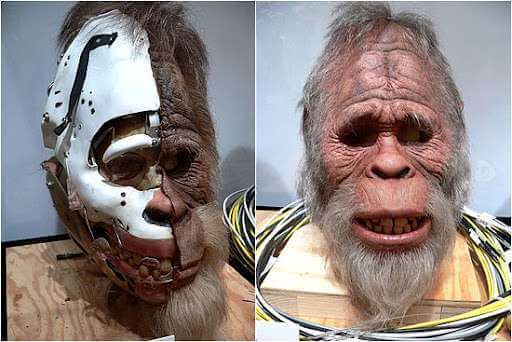
Practical effects have an artistic, handcrafted quality that CGI often lacks. Many of the greatest practical effects films—Blade Runner, The Dark Crystal, The Lord of the Rings trilogy—feel special because their worlds were physically built, giving them a richness and texture that computers struggle to recreate.
Take Star Wars as an example. The original trilogy relied heavily on practical effects, from miniature models of starships to puppet characters like Yoda. The result was a lived-in, tactile universe that felt real. By contrast, the CGI-heavy prequel trilogy (The Phantom Menace, Attack of the Clones) often felt too clean and artificial, losing some of that grounded aesthetic.
Thankfully, modern filmmakers are embracing a hybrid approach—using practical effects as a foundation, then enhancing them with CGI. This is exactly what The Mandalorian did with Baby Yoda (Grogu), using a real animatronic puppet on set, rather than making him entirely CGI. The result? Audiences immediately fell in love with the character’s tangible presence.
🎓 Want to learn? Our DIY FX posts are perfect starting points:
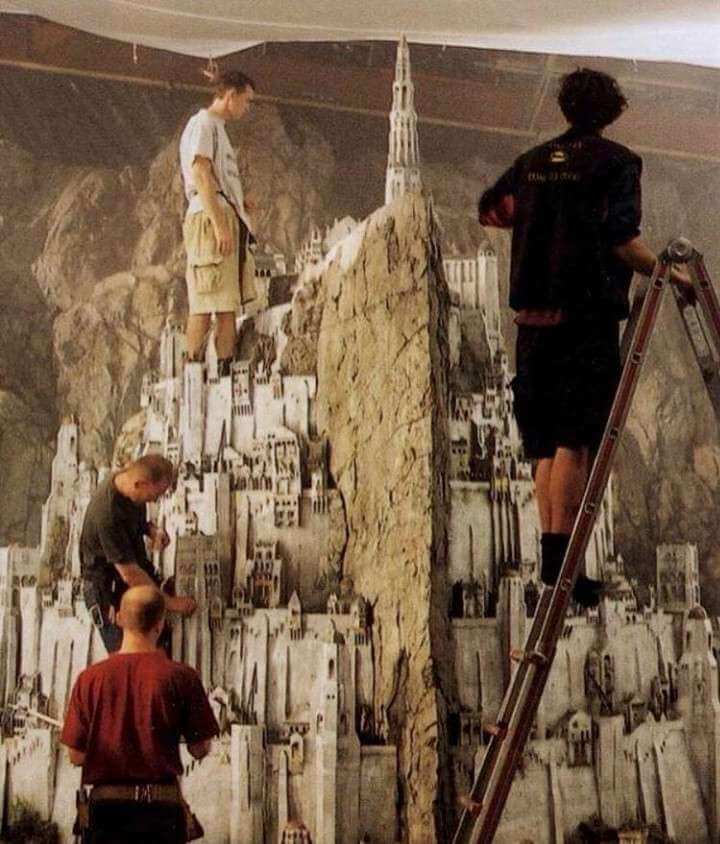
5. Audiences Appreciate Practical Effects More Than Ever
In an age of digital overload, audiences have developed CGI fatigue. While CGI remains an essential tool in modern filmmaking, overuse of it—especially bad CGI—has led to viewers longing for more practical effects.
This is why films that prioritize practical effects tend to stand out. Horror movies like The Babadook and Hereditary have leaned on practical effects to create tension and unease. Sci-fi films like Dune (2021) used real locations, real sandstorms, and massive sets to ground their world, making it feel more immersive than if everything had been green-screened.
Even in superhero films, which rely heavily on CGI, there’s been a push to use more practical elements. The Batman (2022) used real, in-camera car chases and practical stunts, making it visually distinct from the overly digital landscapes of the Marvel Cinematic Universe.
In an age of digital overload, audiences crave realness.
John Doe Tweet
Conclusion: The Future of Practical Effects in Filmmaking
While CGI has revolutionized filmmaking, practical effects remain an irreplaceable art form. They bring tangible realism, enhance actor performances, age better, and give films a distinctive, handcrafted feel that CGI often struggles to replicate.
Many filmmakers today are returning to practical effects—not as a rejection of CGI, but as a way to blend the best of both worlds. When used together, practical and digital effects can create truly breathtaking cinematic experiences.
If you’re an aspiring filmmaker or FX artist, studying practical effects techniques is more valuable than ever. Whether you’re crafting DIY animatronics, working with prosthetic makeup, or experimenting with miniatures, the skills of practical FX are timeless—and they’re here to stay.
References & Further Reading
Note any links below are Amazon Affiliate Links. Purchasing from these links helps support BehindtheFX.com.
Documentaries
- Light & Magic (2022, Disney+ Docuseries) (Available on Disney+.)
- The Thing: Terror Takes Shape (1998, Documentary) (Available on The Thing Collector’s Edition Blu-ray.)
- The Making of Jurassic Park (1995, Featurette) (Available on Jurassic Park Blu-ray bonus features.)
- Mad Max: Fury Road – Creating the Chaos (2016, Documentary) –(Available on Mad Max: Fury Road Special Edition Blu-ray.)
- Behind the Mask: The Rise of Practical FX in Horror (2021, Documentary) (Available on Amazon Prime Video.)
Interviews
- “Why Practical Effects Make Horror Movies Scarier” – Fangoria Issue #83 (1999)
- “Christopher Nolan on the Power of In-Camera Effects” – Empire Magazine (2020)
- “Guillermo del Toro on Why Practical Effects Still Matter” – The Hollywood Reporter (2017)
- “The Lasting Legacy of Star Wars’ Practical Effects” – Cinefex Issue #44 (1998)
- “The Thing (2011) vs. The Thing (1982): Why CGI Couldn’t Replace Practical FX” – Bloody Disgusting (2022)
Books
- The Winston Effect: The Art and History of Stan Winston Studio – Jody Duncan
- Special Effects: The History and Technique – Richard Rickitt
- Practical Effects in Film: A Hands-On Guide – Christopher J. Gilman
- Sculpting a Galaxy: Inside the Star Wars Model Shop – Lorne Peterson
- The Art of Horror Movies: An Illustrated History – Stephen Jones