Introduction
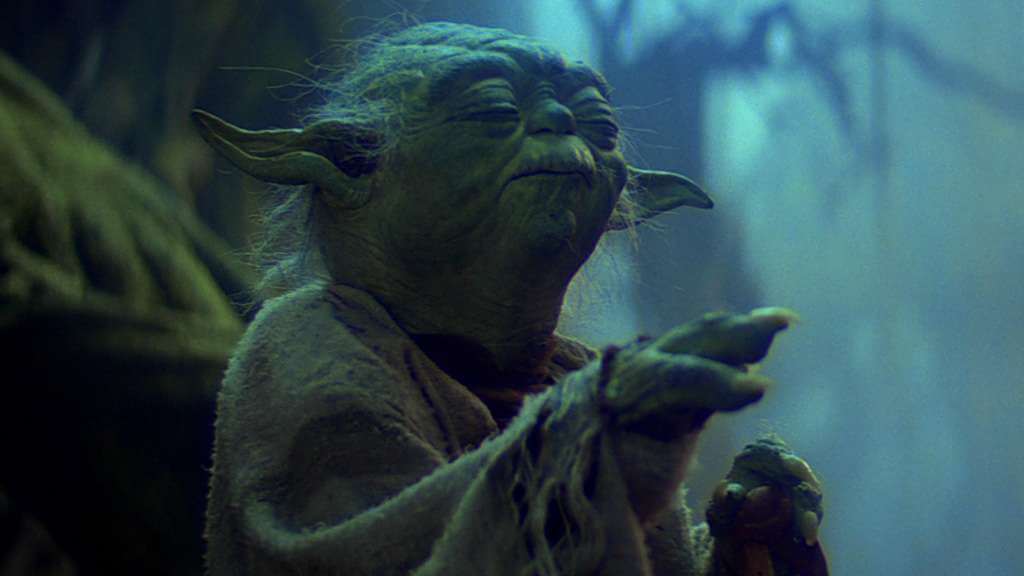
Few characters in cinematic history are as iconic—or as influential—as Yoda. When The Empire Strikes Back (1980) introduced the tiny Jedi Master, audiences immediately connected with him. But what made Yoda resonate so deeply wasn’t just his wisdom—it was how real he felt on screen.
The Empire Strikes Back Yoda puppet is a masterpiece of practical effects. It blended artistry, innovation, and performance into a character who became the soul of Star Wars. This post dives into the technical brilliance behind his creation—from design and performance to filming tricks and enduring legacy.

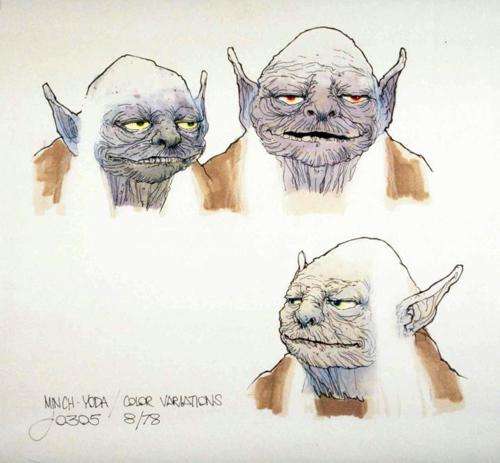
The Vision Behind Yoda’s Design
George Lucas always intended Yoda to be a fully practical character, as CGI wasn’t an option at the time. The character needed to be expressive enough to carry dramatic weight but alien enough to feel like a true otherworldly being.
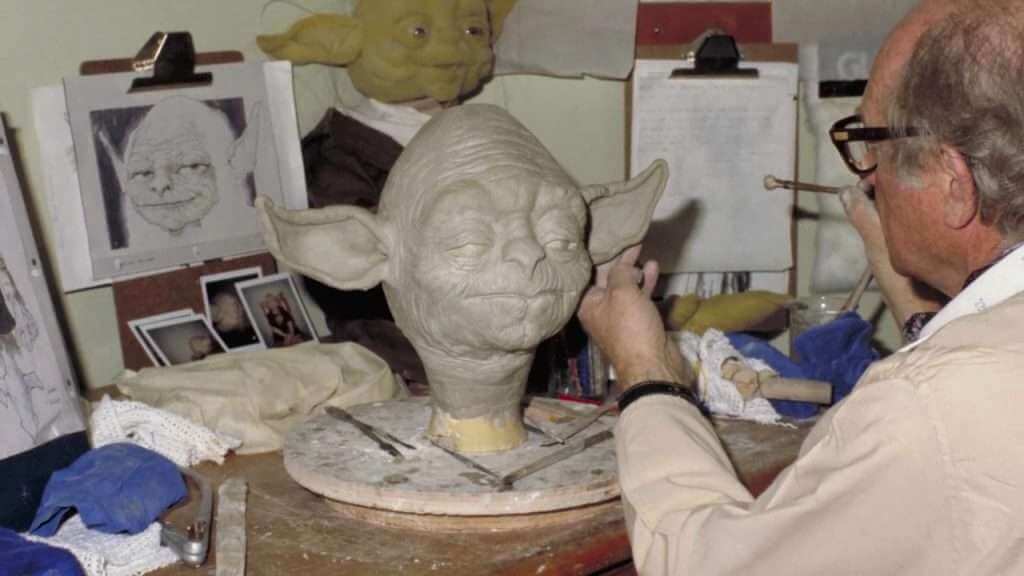
Enter Stuart Freeborn, a seasoned makeup and creature effects artist who had already contributed to Star Wars with the cantina aliens and Chewbacca’s design. Freeborn took on the challenge of designing Yoda, famously basing parts of the character’s face on both his own features and those of Albert Einstein, lending Yoda an air of wisdom and thoughtfulness.
Using foam latex, silicon rubber, and intricate mechanisms beneath the skin, Freeborn sculpted and cast a puppet that would be durable yet flexible enough for nuanced facial movement.
How the Puppet Was Brought to Life
Yoda Puppet Making: The Practical Genius
While Freeborn designed and built the puppet, Yoda’s lifelike performance was in the hands of legendary puppeteer Frank Oz. Oz, known for his work with Jim Henson’s Muppets, including Kermit the Frog and Miss Piggy, gave Yoda his distinctive voice, movements, and expressions.
The Yoda puppet required a multi-person team to operate:
Frank Oz controlled Yoda’s head and left hand, using a hidden control system for facial expressions.
Kathryn Mullen and Wendy Froud assisted with additional hand movements when needed.
A series of rods and cables allowed for more refined motions, making Yoda’s ears twitch and his eyes blink.
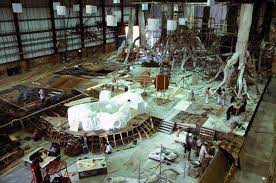
To hide the puppeteering process, a pit was built into the Dagobah set, allowing Oz to perform beneath the floorboards while only the Yoda puppet was visible on screen.
Filming Tricks That Brought Yoda to Life
The Elevated Set Strategy
The Dagobah swamp was built on an elevated platform. This allowed the puppeteers to work below the floorboards, while the puppet remained visible from the waist up.
Lighting and Eye Line Precision
Lighting was carefully tuned to reflect off Yoda’s glass eyes without creating a lifeless glare. Mark Hamill (Luke) had to maintain perfect eye contact with the puppet, not Oz—selling the illusion.
Multiple Takes and Patience
Because multiple puppeteers were involved and Yoda had limited movement range, scenes required painstaking rehearsal and coordination. But the result was a character who felt there—not imposed in post.
Why Practical Effects Made Yoda So Believable
In an era where CGI is often the go-to solution for alien characters, Yoda’s original puppet still holds up as one of the most convincing effects ever created. The reason? Practical puppetry offers a tangible, weighty presence that interacts seamlessly with live actors.
In The Empire Strikes Back, Mark Hamill (Luke Skywalker) had to act opposite the puppet, and because Yoda was physically present on set, their interactions felt natural. Hamill later recalled how Yoda felt like a real character, making his emotional scenes all the more compelling.
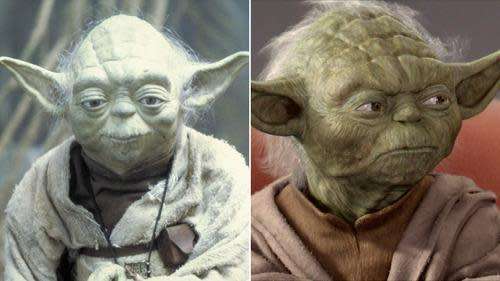
This realism contrasts with the CGI Yoda introduced in the Star Wars prequels. While the digital version allowed for greater movement and dynamic fight sequences, many fans still prefer the tactile authenticity of Freeborn and Oz’s puppet.
Yoda’s Lasting Legacy in Practical Effects
Despite technological advancements, the practical Yoda puppet remains beloved. In The Last Jedi (2017), Lucasfilm returned to using a puppet for Yoda’s reappearance, recapturing the magic that Freeborn and Oz first created nearly 40 years earlier.
Yoda’s legacy extends beyond Star Wars. His success reinforced the importance of practical effects in Hollywood and influenced countless filmmakers and FX artists who strive to balance digital and practical techniques in modern filmmaking.
Yoda’s impact didn’t end in the ’80s. When he returned in The Last Jedi (2017), director Rian Johnson made the bold (and beloved) choice to bring back a puppet—built from original molds, with Frank Oz once again operating.
That choice thrilled fans, proving that classic techniques still resonate in the era of digital everything.

How Yoda Influenced Future FX
The success of the Yoda puppet directly inspired:
Jabba the Hutt (Return of the Jedi)
E.T.
The Dark Crystal, Labyrinth, and more
Today’s Grogu (“Baby Yoda”)—a puppet enhanced with minimal CGI
Yoda showed that puppets could act. That they could hold a scene, evoke emotion, and become legends.
Bonus: FX Lineage and Industry Impact
Yoda’s success paved the way for other Star Wars practical effects legends like Phil Tippett, who worked on stop-motion Tauntauns and Jabba’s creatures. For more on his work, check out our Phil Tippett Stop Motion FX article.
Conclusion
Stuart Freeborn’s Empire Strikes Back Yoda is a testament to the power of practical effects. Through expert craftsmanship and masterful puppeteering, Yoda transcended his limitations as a foam-and-latex creation to become one of cinema’s most beloved characters.
From Freeborn’s design to Frank Oz’s heartfelt performance, every element of Yoda’s creation contributed to making him a timeless character. His legacy continues to inspire filmmakers and FX artists, proving that sometimes, the old ways are still the best.
References & Further Reading
Note: Any links below are Amazon Affiliate Links. Purchasing from these links helps support BehindTheFX.com.
Documentaries & Featurettes
- Empire of Dreams: The Story of the Star Wars Trilogy (2004) (Available on Disney+ and Star Wars Blu-ray collections.)
- Classic Creatures: Return of the Jedi (1983) (Available on select Star Wars DVD releases)
- The Making of The Empire Strikes Back (2010, J.W. Rinzler Documentary Featurette) (Available on Star Wars Blu-ray bonus features.)
- Inside ILM: The Puppetry of Yoda (2015)
- Frank Oz on Puppeteering Yoda (Lucasfilm Archives, 2017)
Interviews & Articles
- “Yoda: The Wisdom Behind the Puppet” – Cinefex Issue #45 (1980)
- “Frank Oz Remembers Puppeteering Yoda” – Empire Magazine (2015)
- “Building a Jedi Master: Stuart Freeborn’s Yoda Design” – Star Wars Insider (Issue #120, 2011)
- “Why Practical Puppetry Still Matters” – The Hollywood Reporter (2017)
- “Star Wars’ Greatest Puppet: The Evolution of Yoda” – Vanity Fair (2019)
Books
- The Making of The Empire Strikes Back – J.W. Rinzler
- Star Wars Archives: Episodes IV-VI (1977-1983) – Paul Duncan
- The Winston Effect: The Art and History of Stan Winston Studio – Jody Duncan
- Sculpting a Galaxy: Inside the Star Wars Model Shop – Lorne Peterson
- The Art of Star Wars: The Empire Strikes Back – Deborah Call
Love Star Wars Practical FX?
Subscribe to Behind the FX for more creature breakdowns, interviews, and practical magic.